
Where My Roots Run Deep: A Stone Fence Childhood
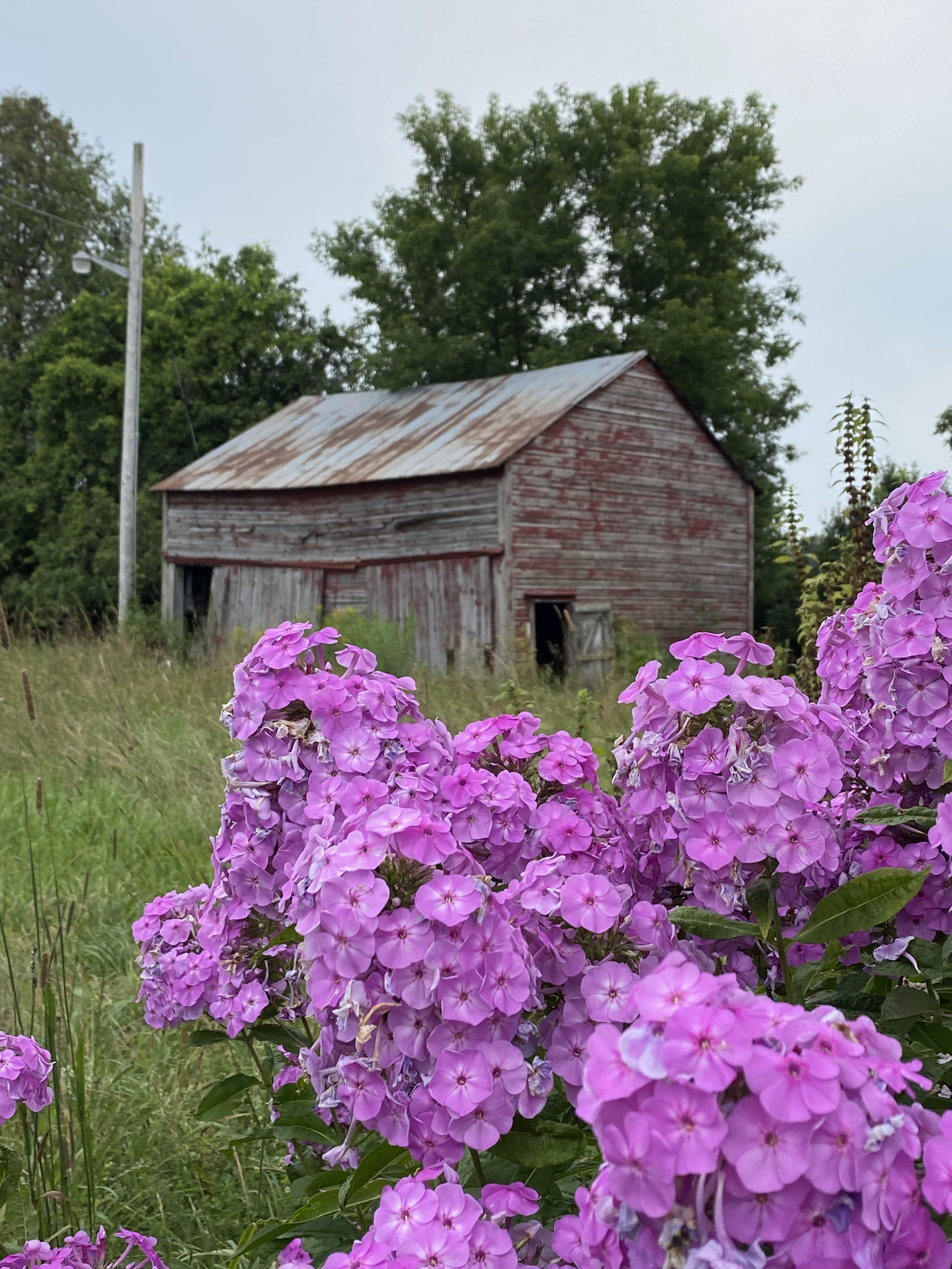
The phrase “waste not, want not” was woven through my childhood. It showed up in the smallest, most ordinary ways—scraps set aside for the chickens instead of tossed carelessly in the garbage, or scabby orchard apples turned into the most wonderfully rustic applesauce. It was a mindset passed down from generations before us—those who had known true scarcity and learned, the hard way, how to make something out of everything. Even a used tea bag was set by the sink, saved for another cup.
I spent many afternoons alongside my Nana in her garden. This wasn’t a small, tidy raised bed—it stretched on for what felt like forever, rows of potatoes, carrots, and every vegetable you’d expect, all carefully tended. Lilac trees lined one side, with cedars and honeysuckle on the other. Just beyond those cedars sat a dry lot paddock, home to our childhood pony—a beautiful palomino mare named Bambi. And every so often, the quiet rhythm of the garden would be broken by a startled yell as Nana abandoned her hoe, having uncovered a snake among the potatoes.
Summer breezes carried the familiar smells of the farm—none better than the scent of Jerseys out on fresh pasture. My siblings and I lived for the quiet moments when we could slip away, wandering out to the fields to lie in the tall grass beside our favourite cows, or walking the back fields to find the heifers grazing among the orchard trees.
There was always work to be done. Afternoons in the hayloft, barn chores, weekends spent forking pens in the goat barn—we were never short on things to do. And if we dared to complain of boredom on a hot summer day, we were quickly reminded of that.
But looking back now, I see that abundance differently.
It wasn’t just in the work—it was in the moments. The laughter, the lessons, the time we didn’t realize we were being given. Summers that once felt endless now pass in the blink of an eye. What was once “Nana and Papa’s” has grown quieter, the buildings still standing but worn—holding stories in their walls, showing, in their own way, what time does to everything it touches.
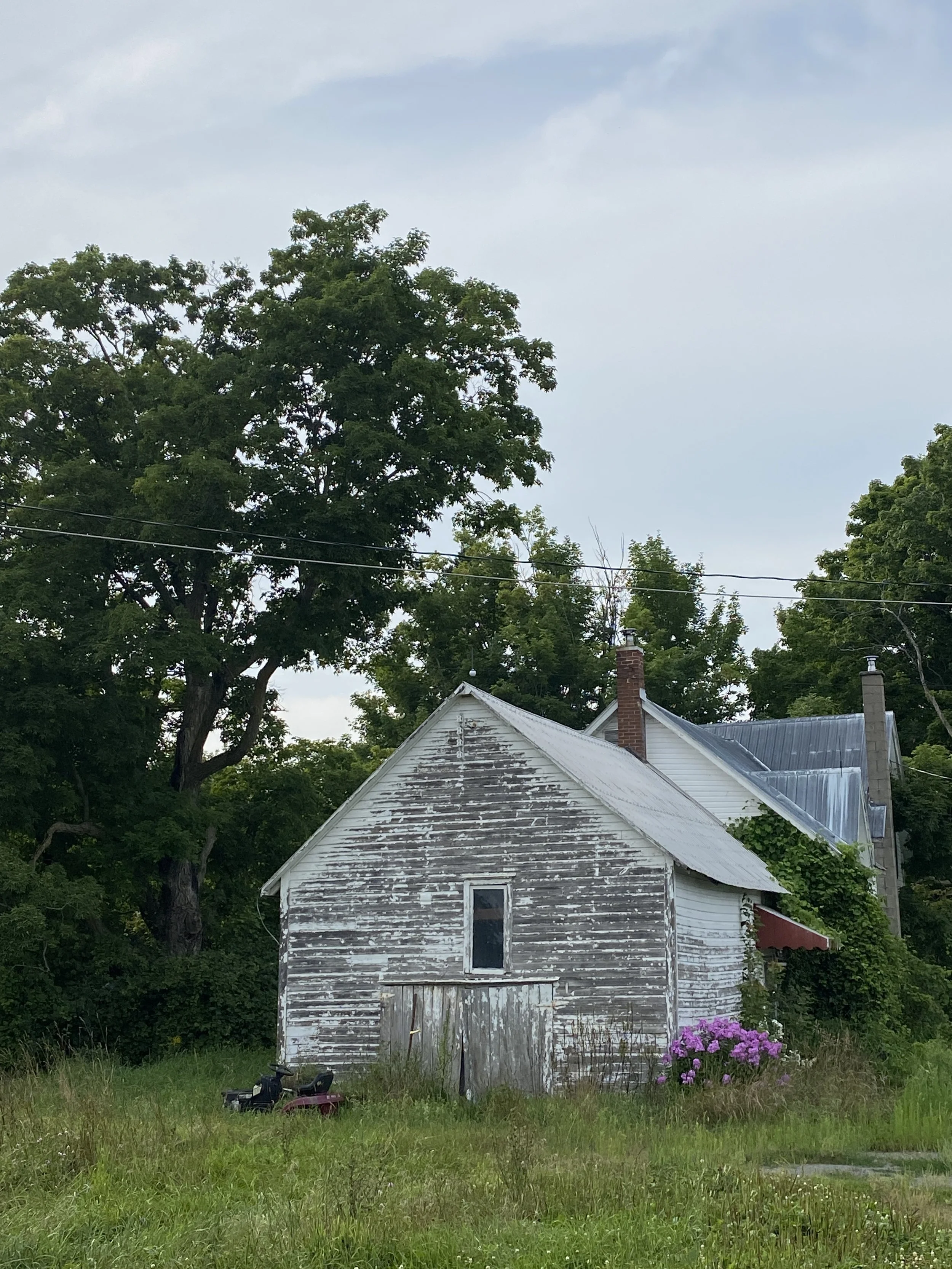
The “Porch” - we always entered through the back porch door to access the kitchen. I loved sneaking into the porch to admire Nana’s old saddles hanging on their racks, covered in dust and cobwebs. A young girl, filled with aspirations of galloping through the fields, I wanted so badly to pull them down and cherish them.
And maybe that’s why something as simple as a loaf of bread can carry so much meaning.
The Stone Fence Apple Cinnamon Loaf began, much like those lessons I was raised on—with the intention of wasting nothing.
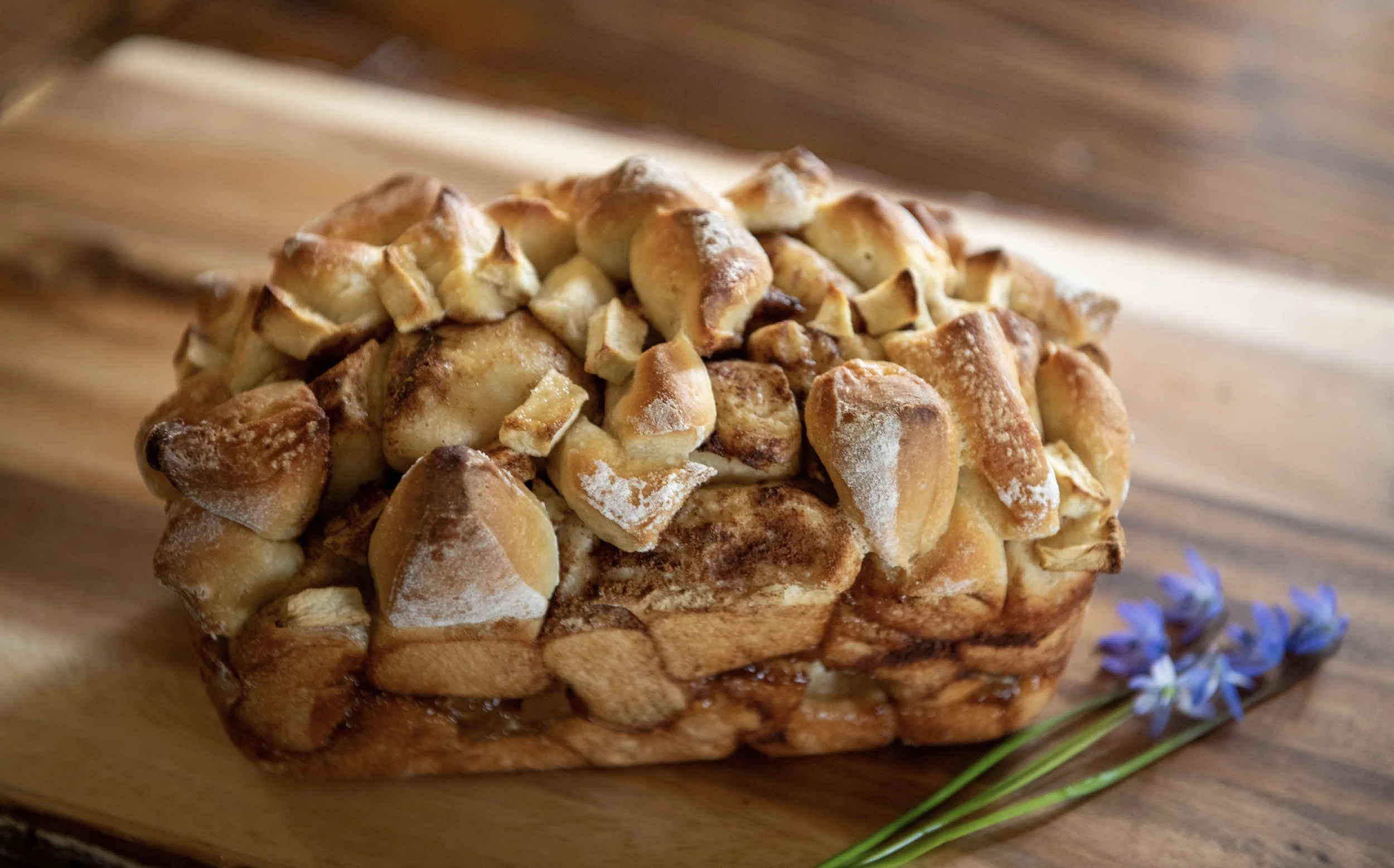
Truth be told, it started as a way to use what was left behind. The extra pieces of sourdough from my English muffins—too good to discard, but not quite enough to stand on their own. But somewhere along the way, it became something more. It took on character… and, if I’m honest, a fair bit of sentiment, too.
My Eastern Ontario farm roots run deep, and with them, an appreciation for the quiet beauty of stone fences. On the farm, we spent many afternoons climbing them, walking their lengths, admiring a well-built line of stone stretching across an open pasture.
Some memories are of mischievous Jersey heifers who decided a stone fence was a worthy opponent—climbing it and making their “great escape” to the lush green pasture waiting on the other side. Others are of long walks with my siblings, my mom, my uncle, my grandparents… and a herd of 60 or 70 Jerseys trailing behind us, nosing at our clothes, looking for attention, or hoping for a good head scratch.
And then there were the apple trees—tucked along fence lines or scattered through the orchard—quietly framing those same pastures.
One memory, though, stayed with me more than most: a young girl’s dream of one day standing in that pasture on the “second hill,” a stone fence at my back, my future husband beside me, and our guests gathered nearby, a quiet, curious herd of Jerseys looking on.
It feels like a lot, written out like this.
But what’s harder to put into words are the smaller things—the giggles, the careful skipping over fresh cow pies, the way time stretched wide and slow without us realizing it. The kind of time that slips by unnoticed, until one day you look back and see it for what it was.
A season you can’t quite return to in the same way.
And maybe that’s why this loaf means what it does.
Because somehow, the simplest one I make—the one born from what was left behind, the one priced the most plainly—carries the most weight. The most memory. The most heart.